How Phishing Scams Have Evolved and How to Spot Them
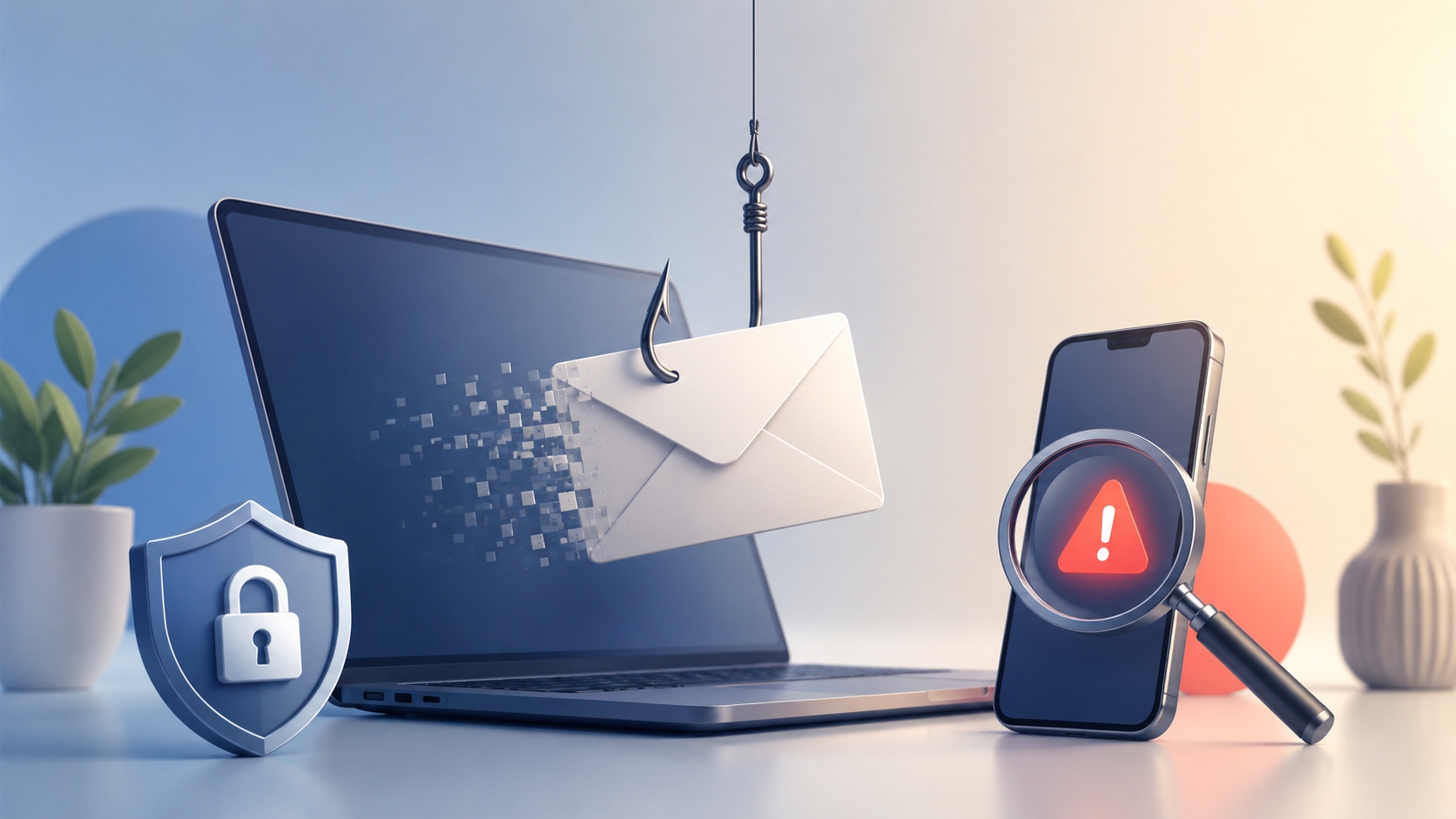
Imagine receiving a text message from your bank warning that your account has been locked. The message looks legitimate, uses the bank’s logo, and even includes a link that appears genuine. Without thinking twice, you click.
That moment of urgency is exactly what scammers count on.
Phishing scams have been around for decades, but they have changed dramatically in recent years. What once looked like poorly written emails filled with spelling mistakes has evolved into highly convincing messages that can fool even cautious internet users. As scammers become more sophisticated, understanding how phishing works—and how it has changed—has become an essential part of staying safe online.
From Obvious Scams to Convincing Impersonations
In the early days of phishing, scam emails were often easy to spot. They frequently contained awkward grammar, suspicious email addresses, and generic greetings like “Dear Customer.”
Today, those clues are much less reliable.
Modern phishing attacks are designed to closely mimic trusted organizations, including banks, online retailers, delivery companies, streaming services, and even government agencies. Messages often use realistic branding, professional language, and personalized details that make them seem authentic.
According to the U.S. Cybersecurity and Infrastructure Security Agency, scammers often rely on emotional manipulation, creating a sense of urgency or fear to pressure people into acting quickly without verifying the message. Examples include warnings about account suspensions, missed deliveries, security breaches, or unpaid bills. CISA’s guide on recognizing and reporting phishing offers a helpful overview of common warning signs.
The goal remains the same: trick someone into revealing sensitive information, clicking a malicious link, or downloading harmful software.
Phishing Is No Longer Just an Email Problem
When most people hear the word “phishing,” they think of email. While email remains a major attack method, scammers have expanded into many other communication channels.
Text-message phishing, often called “smishing,” has become increasingly common. You may receive a text claiming you owe a toll fee, need to verify a package delivery, or must confirm suspicious activity on an account. These messages often contain links that lead to fake websites designed to steal personal information.
Phone-based phishing scams have also grown in popularity. In these cases, scammers call victims while pretending to represent banks, technical support departments, government agencies, or other trusted institutions.
Social media platforms have become another target. Fake customer support accounts, fraudulent giveaways, and impersonation profiles are frequently used to gain trust and collect personal information.
Because phishing now appears across so many platforms, it’s important to approach unexpected messages with caution regardless of how they arrive.
Why Modern Phishing Scams Are Harder to Detect
One reason phishing has become more dangerous is that scammers have access to better tools than ever before.
Security experts have noted that modern phishing messages often look polished and professional. The old warning signs, such as poor spelling and obvious grammatical mistakes, are becoming less common. As a result, consumers can no longer rely solely on spotting language errors to identify scams.
Scammers also spend more time researching potential victims. A phishing message may reference a recent purchase, a company you actually use, or an event happening in your area. This personalization makes fraudulent communications appear more credible.
Another growing trend involves fake websites that closely resemble legitimate ones. A website may look identical to a trusted brand’s login page while secretly collecting usernames, passwords, or payment information.
The Federal Trade Commission explains that phishing attacks often succeed because they exploit human emotions rather than technical vulnerabilities. Fear, curiosity, excitement, and urgency can all cloud judgment and encourage quick decisions. Its consumer resource on how to recognize and avoid phishing scams gives practical examples of these tactics.
Practical Ways to Protect Yourself
The good news is that while phishing scams have evolved, a few simple habits can significantly reduce your risk.
The first is to slow down. Most phishing attempts rely on creating pressure. If a message claims immediate action is required, take a moment to verify the information independently before responding.
Pay close attention to sender details. An email address or phone number that looks almost correct—but not quite—can be a major warning sign. Scammers often create addresses that closely resemble legitimate organizations.
Avoid clicking links directly from unexpected emails or text messages. Instead, open your browser and navigate to the company’s website yourself. This simple habit can prevent many phishing attacks from succeeding.
Be especially cautious when asked to provide passwords, banking details, verification codes, or personal information. Legitimate organizations rarely request sensitive information through unsolicited messages. The U.S. Office of the Comptroller of the Currency offers additional guidance on phishing attack prevention, especially when it comes to banking-related scams.
Finally, enable multi-factor authentication whenever possible. Even if a password is compromised, an additional verification step can make it much harder for criminals to access your accounts.
Conclusion
Phishing scams have evolved from obvious spam emails into sophisticated attacks that can appear surprisingly legitimate. They now arrive through email, text messages, phone calls, social media platforms, and even fake websites designed to mimic trusted brands.
While the tactics have become more advanced, the best defense remains the same: pause before reacting, verify unexpected requests, and treat urgency with skepticism. A few extra seconds of caution can prevent a costly mistake and help keep your personal information secure in an increasingly connected world.