Why Board Games Are Making a Comeback
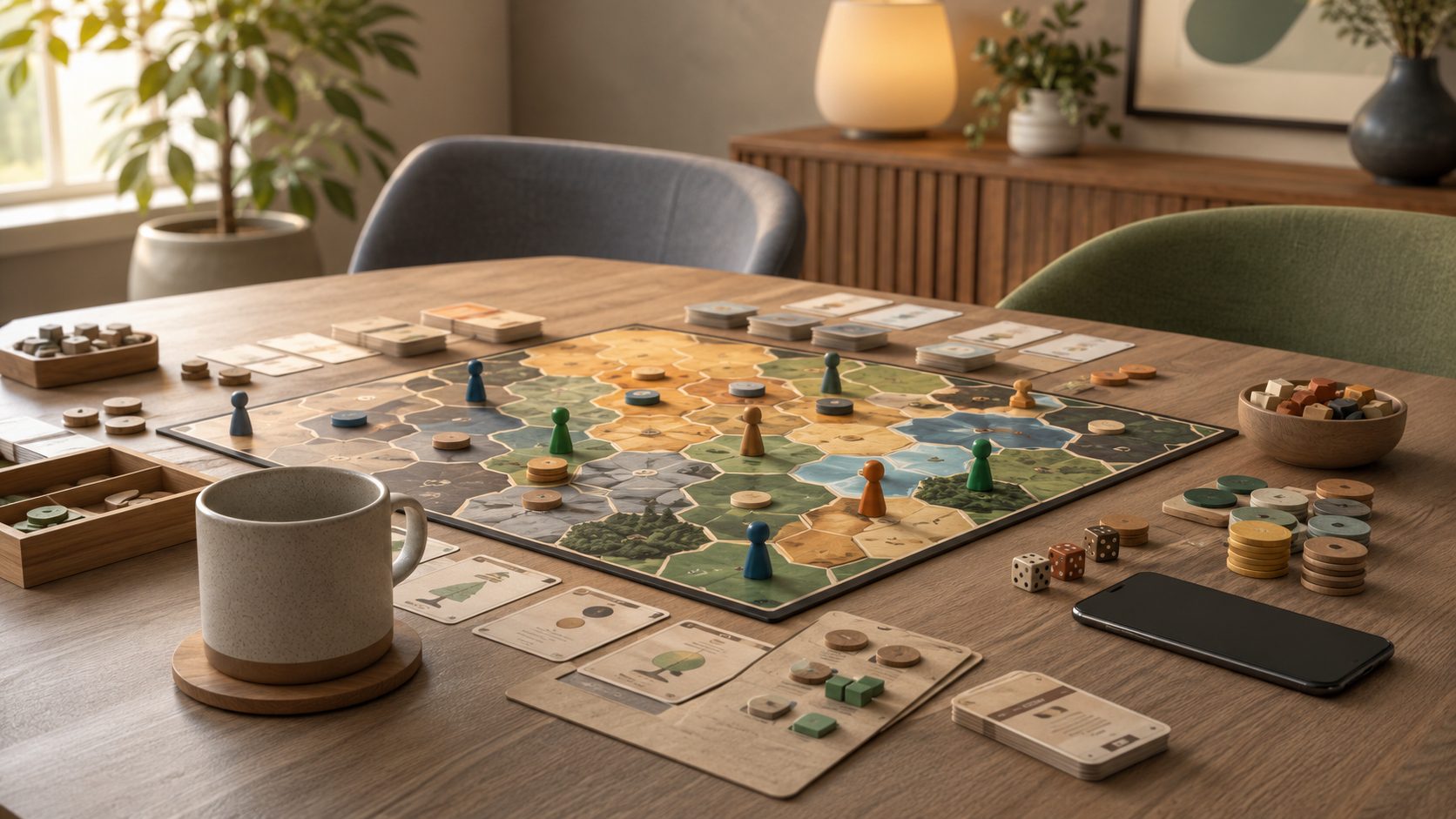
There is something quietly satisfying about clearing a table, opening a box, and watching a group of people lean in. Someone reads the rules, someone sorts the cards, someone immediately asks if snacks are allowed near the board. Before long, phones are face down, the room is louder, and everyone is paying attention to the same little world.
That simple experience is a big reason board games are having a noticeable comeback. In a culture filled with streaming, scrolling, and constant notifications, board games offer something refreshingly different: shared time, real conversation, and entertainment that does not require another screen.
This comeback is not just about nostalgia, either. Modern board games are more varied, more beautiful, and more welcoming than many people remember. Whether someone wants a cozy game night with friends, a quick party game after dinner, or a deeper strategy game for a rainy weekend, there is probably a box on the shelf that fits the mood.
People Are Craving Screen-Free Connection
Most adults spend a huge part of the day looking at screens. Work happens on laptops, errands happen through apps, and even relaxation often means watching something or scrolling through something. Board games create a rare break from that routine.
They also give people an easy reason to gather. Instead of saying, “Let’s just hang out,” a board game night gives the evening a shape. There is a beginning, a shared activity, a few laughs, and usually at least one memorable moment people bring up later.
This matters because social connection is not just a nice extra. The American Psychological Association has highlighted the health risks of social isolation, which helps explain why simple, face-to-face activities can feel so valuable. Board games cannot solve loneliness on their own, of course, but they can make it easier to spend meaningful time with others.
They are also low-pressure. Not everyone enjoys crowded bars, expensive outings, or events that require a lot of planning. A board game can turn a regular living room into the main event, and that accessibility is a huge part of its renewed appeal.
Modern Games Offer Something for Everyone
For many people, the phrase “board game” still brings up memories of Monopoly, Scrabble, Clue, or Risk. Those classics still have their place, but the board game world has expanded far beyond the titles many families kept in the closet.
Today, there are cooperative games where everyone works together, social deduction games where players bluff and investigate, peaceful tile-laying games, quick word games, mystery games, storytelling games, and strategy games that can fill an entire afternoon. The variety is one of the biggest reasons more adults are giving board games another chance.
A game like Ticket to Ride is easy to teach and friendly for mixed groups. Codenames works well at parties because it gets people talking quickly. Pandemic became popular partly because it asks players to cooperate instead of compete. Games like Azul or Wingspan appeal to people who enjoy thoughtful choices, attractive design, and a calmer pace.
For anyone curious about how wide the hobby has become, the enormous BoardGameGeek database of board games gives a good sense of the range. It includes thousands of titles across different themes, play styles, and difficulty levels.
That variety helps remove a common barrier: the fear that board games are too complicated or too childish. Some are simple enough to learn in five minutes. Others are designed for people who love deep strategy. The point is not that everyone should enjoy the same game; it is that more people can now find a game that suits them.
Game Nights Are Affordable, Flexible Entertainment
Another reason board games are coming back is practical: they offer good value. A single game can be played many times, with different people, in different ways. Compared with a night out, a movie ticket, or a subscription that quietly renews every month, one well-chosen game can provide hours of entertainment.
Board games also fit many budgets and living situations. A small card game can travel in a backpack. A party game can work in a small apartment. A larger strategy game can become a weekend tradition. There is no need for special equipment beyond a table, a few chairs, and people willing to play.
The broader toy and game market also shows that physical play still has staying power. According to U.S. sales data from The Toy Association, toys remain a major consumer category, even in a digital-first world. Board games benefit from that same desire for tangible, repeatable entertainment.
There is also a gift-friendly quality to board games. They feel personal without being too risky. Giving someone a game says, “I thought this would be fun for you,” but it also creates the possibility of sharing the experience together.
The Best Games Create Stories
The real magic of a board game is rarely the cardboard itself. It is the story that happens around it.
Someone makes a terrible guess and somehow wins. Someone claims they are “not competitive” and then becomes extremely competitive. A quiet player pulls off a brilliant move. A group loses a cooperative game by one turn and immediately wants to try again.
These moments are hard to recreate with passive entertainment. Watching a show together can be enjoyable, but a board game asks everyone to participate. The players are not just consuming the experience; they are making it.
That is also why board games have lasted for so long. The British Museum’s overview of historical board games spanning thousands of years shows that people have been gathering around games for centuries. The materials and themes change, but the appeal of shared play is remarkably durable.
Modern board games build on that old instinct while making the experience feel fresh. Better artwork, clearer rules, creative themes, and online communities have made the hobby easier to enter. Many games now include quick-start guides, helpful videos from publishers, and rulebooks designed for normal people rather than experts.
Conclusion
Board games are making a comeback because they meet several modern needs at once. They offer a break from screens, an easy way to connect, flexible entertainment, and a kind of shared fun that feels personal and memorable.
Their renewed popularity is not only about revisiting childhood favorites. It is also about discovering how much the hobby has grown. Today’s board games can be casual, clever, beautiful, funny, strategic, cooperative, or relaxing.
At their best, board games remind people that entertainment does not have to be complicated to be meaningful. Sometimes all it takes is a table, a few pieces, and a reason to spend time together.