The Best Budget Travel Destinations for Students in 2026
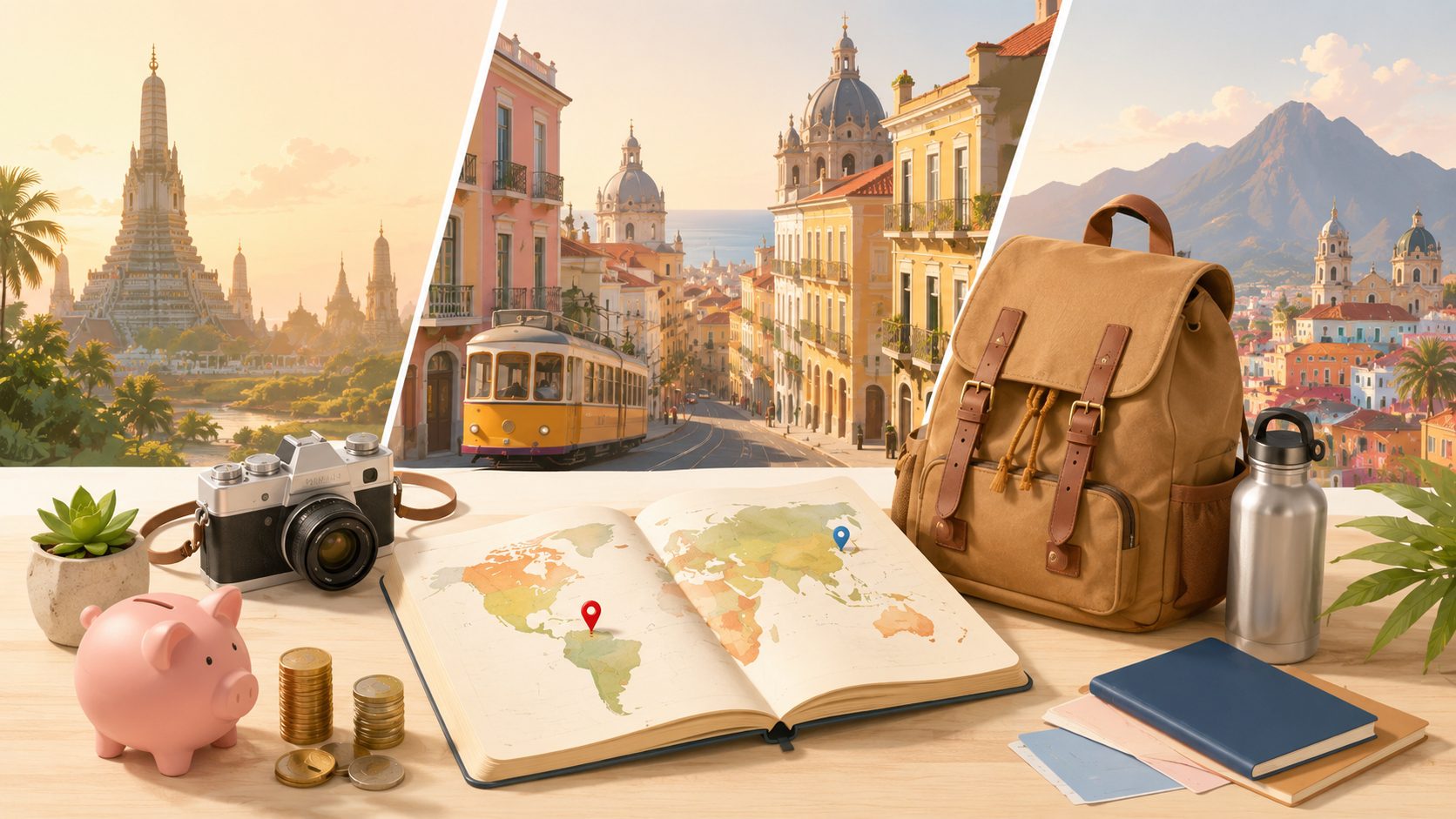
Traveling as a student in 2026 does not have to mean choosing between a memorable trip and an empty bank account. With the right destination, a little flexibility, and a willingness to travel like a local, students can still find places where food, transport, culture, and accommodation feel surprisingly affordable.
The good news is that budget travel is not about “settling” for less. Some of the best-value destinations in 2026 are rich in history, full of great food, easy to explore, and lively enough to make a short break feel like a real adventure.
According to UN Tourism’s 2026 update on international travel, global travel demand remains strong, which makes planning ahead even more important. For students, that means looking beyond the most obvious hotspots and choosing places where everyday costs still work in your favor.
Southeast Asia: Vietnam and Cambodia for Big Experiences on Small Budgets
Vietnam remains one of the strongest choices for students who want variety without overspending. A single trip can include the busy streets of Hanoi, the lantern-lit charm of Hội An, the beaches around Da Nang, and the food culture of Ho Chi Minh City.
One reason Vietnam works so well for students is that many of its best experiences are simple and affordable. A bowl of pho, a strong Vietnamese coffee, a local bus ride, or an afternoon wandering through a market can be just as memorable as a paid tour.
The country’s official Vietnam tourism website is a helpful starting point for checking destinations, transport tips, visas, weather, and safety information before booking. That matters because Vietnam stretches a long way from north to south, so the best time to visit can depend on which region you choose.
Cambodia is another smart option, especially for students interested in history and culture. Angkor Wat is the major draw, but cities like Phnom Penh and smaller riverside towns offer a slower, cheaper rhythm than many better-known Asian destinations.
The best strategy is to avoid rushing. Staying several nights in one place usually lowers accommodation costs, reduces transport spending, and gives you time to find affordable local food instead of relying on tourist restaurants.
Affordable Europe: Portugal, Poland, and the Balkans
Europe can be expensive, but it is not all Paris hotel prices and peak-season train fares. Students who choose carefully can still find excellent value, especially outside the most crowded capitals.
Portugal is a good example. Lisbon has become more expensive in recent years, but cities such as Porto, Coimbra, Braga, and Évora can still offer strong value compared with many Western European destinations. The official Visit Portugal travel site is useful for comparing regions, museums, public spaces, nature areas, and smaller towns before deciding where to base yourself.
Portugal also works well for students because it is easy to enjoy without a packed paid itinerary. You can spend a day walking through tiled streets, eating a simple bakery lunch, visiting viewpoints, or taking a low-cost train to a nearby town.
Poland is another excellent choice for students who want the European city experience at a more manageable price. Kraków, Wrocław, Gdańsk, and Warsaw all offer history, nightlife, museums, parks, and strong public transport without the same daily costs as cities like Amsterdam or Copenhagen.
For students who want beaches and mountains, the Balkans deserve serious attention. Albania, Bosnia and Herzegovina, Montenegro, and North Macedonia can be especially appealing for longer trips, where the cost of accommodation and food matters every day. These destinations are ideal for travelers who are comfortable with a little more planning and a little less tourist polish.
Latin America: Mexico, Colombia, and Peru for Culture, Food, and Value
Latin America is a great region for students because it offers depth, color, and variety at many different budget levels. Flights can sometimes be the biggest expense, but once you arrive, daily costs may be easier to manage than in much of North America or Western Europe.
Mexico is one of the most flexible choices. Instead of focusing only on beach resorts, students can build a more affordable trip around Mexico City, Puebla, Oaxaca, Guadalajara, or Mérida. These cities offer museums, markets, street food, music, architecture, and day trips without requiring a luxury budget.
The official Visit Mexico tourism site is a good resource for exploring regions beyond the most advertised vacation spots. That can help students find places with strong cultural appeal, better prices, and fewer crowds.
Colombia is also popular with younger travelers, especially those interested in cities, coffee culture, hiking, and music. Bogotá has museums and street art, Medellín has a strong café and nightlife scene, and smaller towns can be very affordable if you travel slowly.
Peru is a classic student destination because it combines food, landscapes, history, and adventure. Machu Picchu can be expensive compared with the rest of a trip, so it helps to treat it as a planned splurge rather than a daily benchmark. The official Peru travel website is useful for researching Cusco, Lima, cultural routes, and regional highlights before building an itinerary.
How Students Can Stretch a Travel Budget in 2026
The destination matters, but travel habits matter just as much. A student visiting a cheap country can still overspend by booking last-minute flights, eating only in tourist zones, or moving cities every two days.
One of the easiest ways to save is to travel just outside peak season. Shoulder months often bring lower accommodation prices, fewer crowds, and better availability, while still offering good weather in many places.
Public transport is another major budget helper. Cities with reliable buses, metros, trams, or trains allow students to stay slightly outside the main tourist center without feeling disconnected. Before booking, it is worth comparing daily costs through tools like Numbeo’s 2026 cost of living index, which gives a broad snapshot of price differences between countries.
Student discounts can also add up. A student ID may help with museums, transport passes, attractions, and even some regional rail deals. It is not glamorous advice, but asking about discounts at the ticket counter can save more money than expected over a week-long trip.
Accommodation choices make a big difference too. Hostels, university-area guesthouses, shared apartments, and small local hotels often offer better value than international chains. For students traveling in groups, splitting a simple apartment can sometimes be cheaper than booking several dorm beds.
Conclusion
The best budget travel destinations for students in 2026 are not just the cheapest places on the map. They are destinations where money goes further without making the trip feel limited.
Vietnam and Cambodia offer rich experiences at student-friendly prices. Portugal, Poland, and the Balkans prove that Europe can still be affordable with the right route. Mexico, Colombia, and Peru bring culture, food, and adventure with plenty of room for flexible budgets.
For students, the smartest trip is not always the most famous one. It is the one that balances cost, safety, curiosity, and time well enough to create stories worth remembering long after the semester starts again.