How Streaming Changed the Music Industry
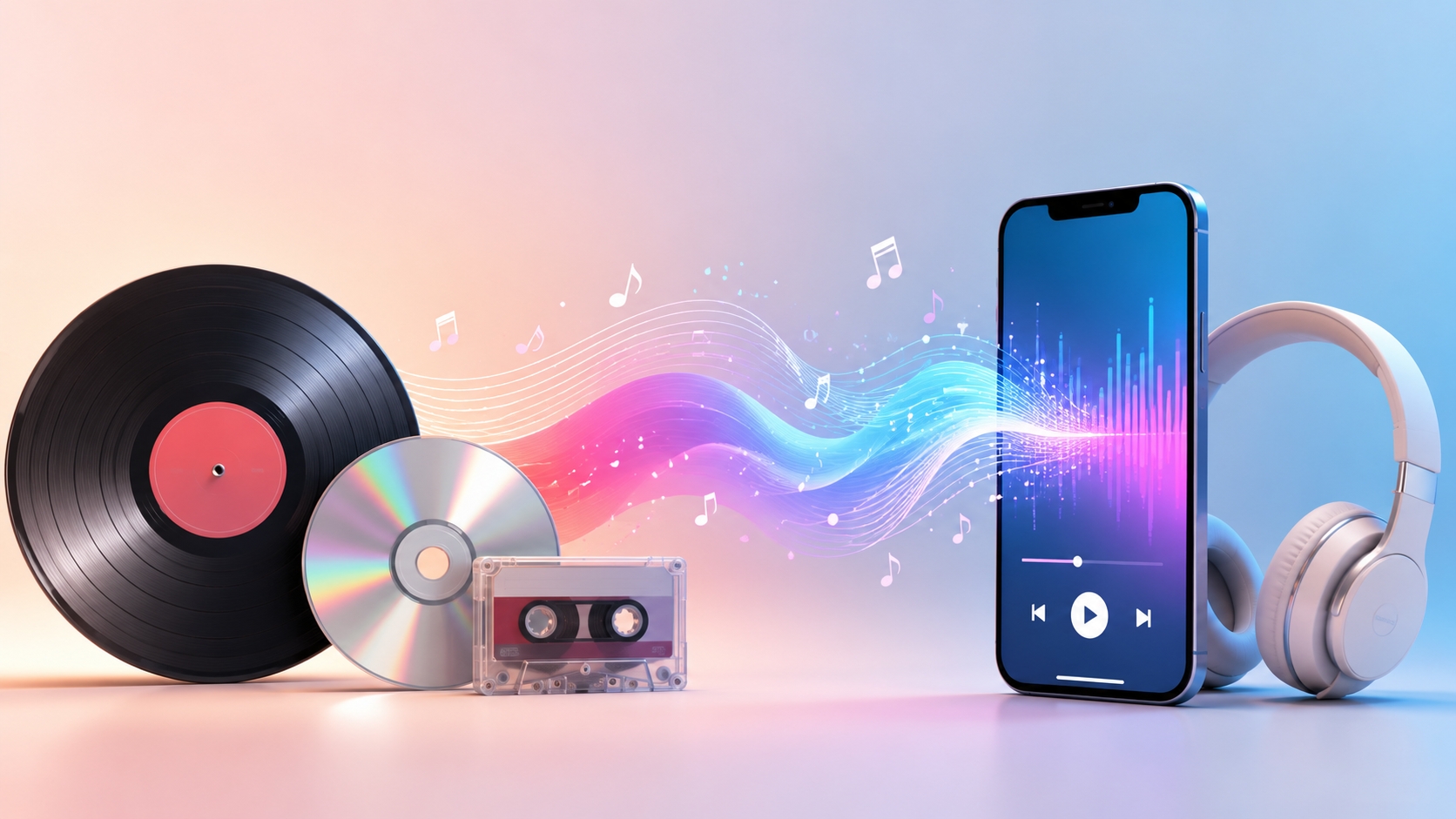
Not that long ago, listening to music usually meant buying something first. Maybe it was a CD from a store, a digital album from iTunes, or a single track you downloaded after hearing it on the radio. Your music collection lived on shelves, hard drives, or MP3 players, and discovering something new often depended on friends, magazines, record shops, or whatever a radio station decided to play.
Streaming changed that almost completely.
Today, millions of songs are only a few taps away. A person can move from a 1970s soul classic to a new K-pop release to an indie artist from another country without buying each song separately. That convenience has reshaped how listeners behave, how artists build careers, and how the music business makes money.
The change has been enormous, but it is not as simple as “streaming saved music” or “streaming hurt artists.” It has done both helpful and complicated things. Understanding the shift means looking at how music became more accessible, how revenue changed, and how artists now compete for attention in a world where almost everything is available all the time.
Music Became Easier to Access Than Ever
The most obvious change streaming brought is access. For a monthly fee, or sometimes for free with ads, listeners can explore huge catalogs without owning every album. That has made music feel less like a product people collect and more like a service they use every day.
This changed everyday listening habits. Instead of choosing from the albums someone already owns, people can search by mood, activity, genre, decade, or even a single lyric they remember. Music now follows people into workouts, commutes, study sessions, dinner parties, and quiet evenings at home.
It also made discovery much faster. In the past, an artist often needed radio play, a record deal, or shelf space in stores to reach a large audience. Now, a song can travel through playlists, social media clips, fan recommendations, and streaming charts. A listener in Chile, Canada, or Spain can find a small artist from Nigeria, South Korea, Brazil, or Sweden in seconds.
That global reach is one of streaming’s biggest cultural shifts. Spotify has described the modern music industry as more global and diverse than ever, with artists increasingly finding audiences far beyond their home countries through streaming platforms and digital discovery. Its Loud & Clear music economics report offers a useful look at how worldwide listening habits have expanded.
For fans, this has made music more varied and personal. For artists, it has opened doors that did not exist in the same way before. A musician no longer needs every traditional gatekeeper to say yes before building an audience. But reaching people is only one part of the story.
The Business Model Moved From Ownership to Access
Before streaming, the industry depended heavily on sales. A fan bought a CD, vinyl record, cassette, or digital download, and that purchase created revenue. Streaming works differently. Instead of paying for one album, listeners pay for access to a platform, and money is distributed through a system involving platforms, labels, publishers, songwriters, and artists.
This shift helped the recorded music business recover after years of disruption from piracy and falling physical sales. According to the IFPI Global Music Report 2026, global recorded music revenues reached $31.7 billion in 2025, and streaming accounted for nearly 70% of recorded music income worldwide.
In the United States, the pattern is similar. The RIAA’s 2025 mid-year recorded music revenue report showed that streaming continued to dominate the market, with paid subscriptions playing a major role in revenue growth.
For listeners, the value is easy to understand. A subscription can cost less than buying one album used to. For the industry, the appeal is recurring revenue. Instead of depending on a fan making one purchase, platforms can collect monthly payments from millions of subscribers.
Still, this model has created frustration. Many artists argue that streaming payouts feel small, especially when compared with the emotional and financial work required to create music. A song may need thousands or millions of plays before it produces meaningful income for the people behind it.
That is why debates about streaming royalties are so intense. Streaming has brought more money into the overall industry, but that does not mean the money is evenly or simply distributed. Big stars, major rights holders, and heavily streamed catalogs often benefit most. Smaller artists may gain exposure but still struggle to turn attention into a stable living.
Playlists Changed What Becomes Popular
Streaming did not just change how people listen. It changed what gets noticed.
Playlists are now one of the most powerful forces in music discovery. Some are made by streaming platforms, some by users, and some by brands, publications, or independent curators. Getting placed on the right playlist can introduce a song to thousands or even millions of listeners.
This has affected how music is promoted. Artists and labels often think about whether a song fits certain moods or activities: relaxed Sunday mornings, late-night drives, gym sessions, background focus, or summer parties. A track does not always need to be a traditional radio single to find an audience. It might work because it fits a specific moment in someone’s life.
At the same time, streaming charts move quickly. Songs can rise fast when they catch attention, but they can also disappear quickly when listeners move on. This has made the industry feel more immediate and more crowded.
For artists, the challenge is not only making good music. It is staying visible. That can mean releasing songs more frequently, engaging with fans directly, creating short-form videos, or building a strong identity beyond the music itself.
This can be exciting, especially for independent musicians who want more control. But it can also be exhausting. The pressure to keep feeding the system can make music careers feel less like album cycles and more like constant content cycles.
Artists Have More Tools, but Also More Competition
One of the biggest promises of streaming is that artists can reach listeners without following the old industry path. Independent musicians can upload songs through digital distributors, promote themselves online, and study listener data to understand where their audience is growing.
That kind of information was harder to access in the old model. Today, an artist can see which cities listen most, which songs people replay, and where a tour might make sense. Streaming data can help musicians make practical decisions about marketing, setlists, collaborations, and live shows.
Streaming has also changed the relationship between recorded music and concerts. For many artists, streaming is part of a larger ecosystem. A song may not generate huge income on its own, but it can help sell concert tickets, merchandise, vinyl, fan memberships, or licensing opportunities.
Physical formats have not disappeared either. Vinyl, in particular, has become a meaningful product for fans who want something collectible and tangible. The same IFPI report noted that physical music revenues grew in 2025, helped by continued demand for vinyl.
So the future is not purely digital. Instead, streaming has become the center of music discovery, while physical products and live experiences often serve as deeper ways for fans to support artists they love.
The downside is competition. Because it is easier to release music, more music is released. That gives listeners incredible choice, but it also makes standing out harder. Talent matters, but so do timing, strategy, presentation, persistence, and sometimes luck.
Conclusion
Streaming changed the music industry by turning music from something people mostly bought into something they access constantly. It made listening easier, discovery more global, and the business more dependent on subscriptions and massive listening volume.
It also created new tensions. Artists have more ways to reach fans, but they face more competition and complicated royalty systems. Listeners have more choice than ever, but their attention is spread across an endless catalog.
The biggest change may be this: music is no longer tied to a store, a shelf, or even a device. It is part of daily life in a more fluid way than ever before. Streaming did not simply replace the old music industry. It rebuilt the rules, and everyone from casual listeners to major artists is still adapting.