How Smart Home Devices Are Changing Daily Life
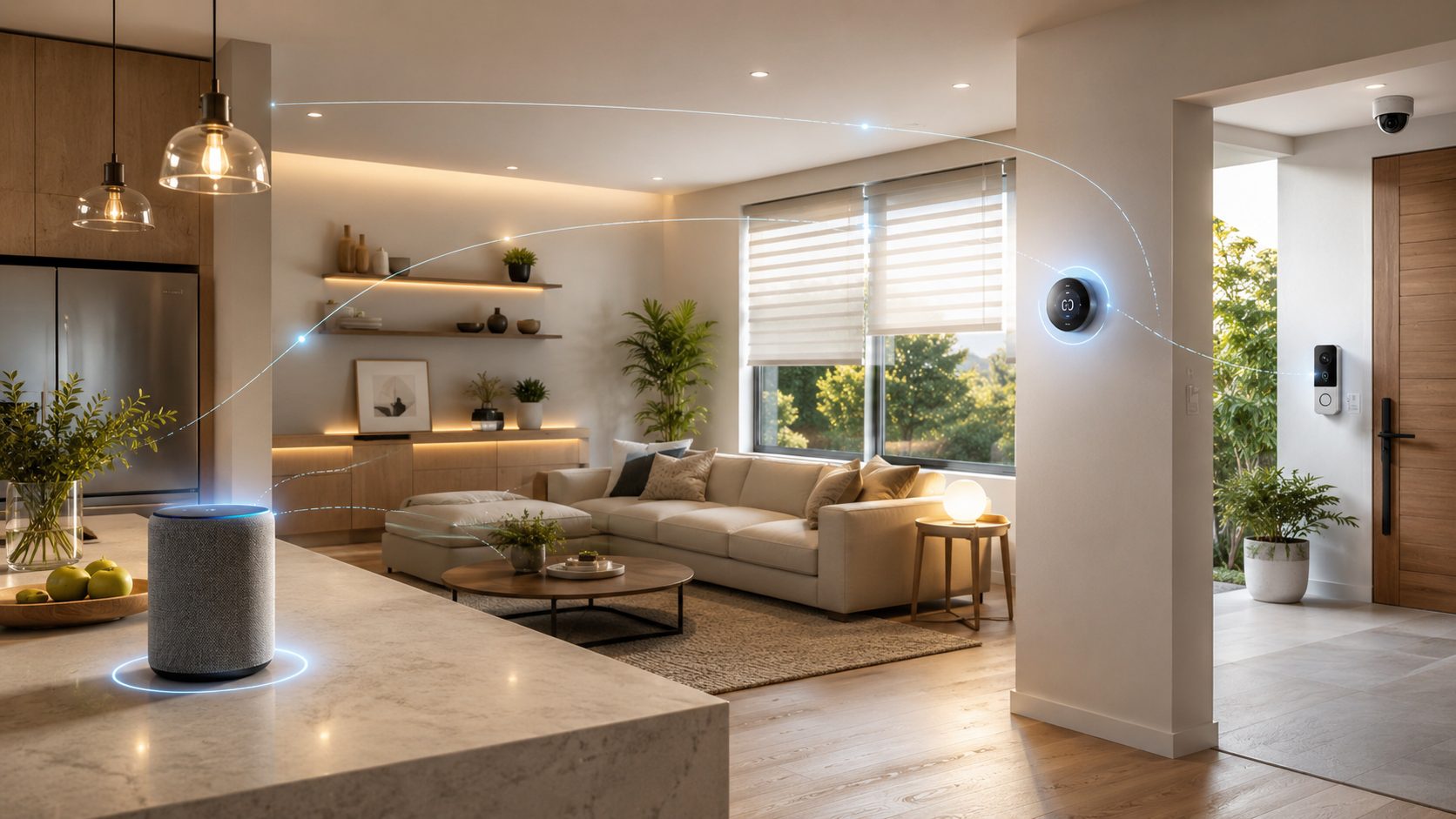
Not long ago, the idea of telling your house to turn off the lights sounded like something from a futuristic movie. Today, it is a normal part of life for millions of households. A lamp can switch on before you walk through the door, a thermostat can learn when you like the house warmer, and a doorbell can show you who is outside while you are still at work.
Smart home devices are not just about flashy gadgets. At their best, they make daily routines a little smoother, safer, and more efficient. They can help people save time, reduce waste, stay connected to their homes, and manage everyday tasks with less effort.
Of course, the smart home is not perfect. Devices can be expensive, confusing to set up, or raise questions about privacy. Still, as technology becomes easier to use and more compatible across brands, smart devices are steadily moving from “nice to have” to “part of everyday life.”
Convenience Is the Biggest Everyday Change
The most obvious way smart home devices are changing daily life is convenience. Small tasks that used to require attention can now happen automatically or with a simple voice command.
Smart lights are a good example. Instead of walking from room to room turning lights off before bed, you can use an app or a voice assistant to shut everything down at once. Some people set lights to turn on gradually in the morning, making it easier to wake up. Others schedule outdoor lights to come on at sunset, which is useful for both comfort and security.
Smart speakers and displays have also become everyday household helpers. They can set timers while you cook, play music, answer quick questions, remind you about appointments, or add items to a grocery list. None of these tasks is life-changing on its own, but together they reduce the small frictions that fill a busy day.
Then there are smart plugs, which can make ordinary appliances more flexible. A coffee maker, fan, lamp, or holiday decoration can be controlled from a phone or placed on a schedule. For renters or people who do not want to replace major appliances, smart plugs are often one of the simplest ways to make a home feel more connected.
The real value appears when devices work together. A morning routine might open smart blinds, turn on soft lighting, start a playlist, and adjust the temperature. An evening routine might lock the door, lower the thermostat, and turn off unnecessary lights. The home starts responding to habits instead of requiring constant manual control.
Energy Use Is Becoming Easier to Manage
Smart home devices are also changing how people think about energy. For many households, heating, cooling, lighting, and appliances are a major part of monthly expenses. Smart devices do not magically eliminate those costs, but they can help people notice patterns and make better choices.
Smart thermostats are one of the clearest examples. They can adjust heating and cooling based on schedules, occupancy, and preferences. According to ENERGY STAR’s information on smart thermostats, certified models are independently tested using real-world data to show energy savings.
This matters because many people forget to adjust the thermostat when they leave home or go to sleep. A smart thermostat can reduce heating or cooling when the house is empty, then bring the temperature back to a comfortable level before people return. That balance is important: the goal is not to make the home uncomfortable, but to avoid wasting energy when no one benefits from it.
Smart lights can also help. Motion sensors can turn lights off in empty rooms, and schedules can prevent outdoor lights from staying on all day. Smart power strips and plugs can help manage devices that quietly use electricity even when they are not actively being used.
For some people, the biggest benefit is awareness. Apps can show energy use over time, making it easier to spot unusual spikes or habits that could be changed. When information is visible, it becomes easier to act on it.
Home Security Feels More Accessible
Home security used to mean professional alarm systems, expensive installations, and long contracts. Smart home technology has made basic security tools more accessible to everyday households.
Video doorbells, smart locks, indoor cameras, motion sensors, and connected alarms allow people to keep an eye on their homes from almost anywhere. A parent can check whether a package arrived. A homeowner can see if a garage door was left open. A renter can receive a notification if motion is detected while they are away.
Smart locks are especially useful for people who frequently share access with family members, guests, dog walkers, or maintenance workers. Instead of hiding a spare key, users can create temporary codes and remove them later. That can make access easier to manage and safer than leaving keys in predictable places.
Security devices can also provide peace of mind in ordinary moments. Checking whether the front door is locked from bed may sound small, but it is exactly the kind of everyday convenience people quickly get used to. For older adults or people who live alone, connected devices can also help family members stay informed without being intrusive.
Still, smart security works best when users treat it seriously. Devices should have strong passwords, regular updates, and security settings enabled. The Federal Trade Commission’s advice on securing internet-connected devices is a helpful starting point for anyone setting up cameras, locks, speakers, or other connected products.
The Smart Home Is Getting More Connected, but Privacy Still Matters
One of the biggest frustrations with smart home devices has been compatibility. A light bulb might work with one app, a thermostat with another, and a security camera with a third. That can make a “smart” home feel surprisingly messy.
This is beginning to improve. The smart home standard Matter was created to make devices from different brands work together more easily. The Connectivity Standards Alliance describes Matter as a unifying standard designed to support more reliable and secure connected devices. In plain English, the goal is to make smart home products less confusing for shoppers and easier to connect once they are home.
Better compatibility could make smart homes more practical for people who are not technology enthusiasts. Instead of worrying about whether a device works with a particular platform, consumers should increasingly be able to look for widely supported standards and expect a smoother setup.
At the same time, privacy remains an important part of the conversation. Smart home devices often collect information about daily routines: when people are home, when they sleep, what rooms they use, and sometimes audio or video. That does not mean people should avoid smart devices altogether, but it does mean they should be thoughtful.
Before buying a device, it is worth checking what data it collects, whether it requires cloud storage, how long recordings are kept, and what privacy controls are available. Users should also change default passwords, use two-factor authentication when possible, and keep apps and device software updated.
A smart home should make life easier, not make people feel watched in their own space. The best setup is one that balances convenience with control.
Conclusion
Smart home devices are changing daily life in quiet but meaningful ways. They help people automate routines, manage energy use, monitor their homes, and stay connected to everyday tasks with less effort. What once felt futuristic is becoming a practical part of modern living.
The most useful smart homes are not necessarily packed with gadgets. They are designed around real needs: comfort, safety, savings, accessibility, and peace of mind. A few well-chosen devices can make a bigger difference than a house full of products that do not work well together.
As smart home technology becomes easier to use and more compatible, it will likely continue blending into the background of daily life. The goal is not to make homes feel complicated. It is to make them feel more responsive, efficient, and comfortable for the people who live in them.