The Future of Personalized Learning in Schools and Online Courses
Picture two kids in the same math class. One gets the concept the second it’s explained. The other needs a few more minutes and probably a different example. For a long time the answer to that was simple: both did the same lesson, the same homework, and moved on together whether they were ready or not.
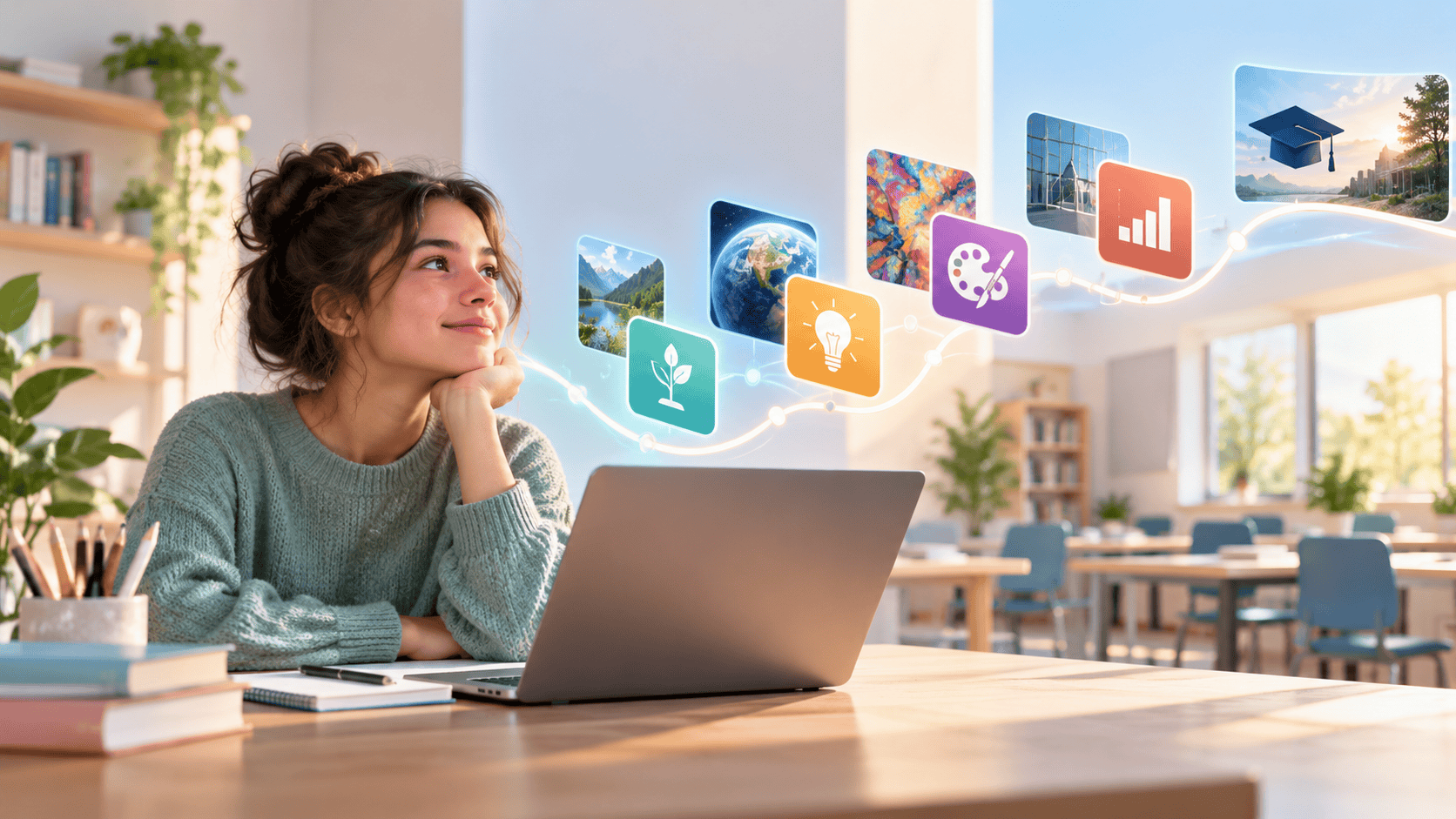
Personalized learning tries to do something else. It adjusts the experience to the person, their pace and their gaps, instead of assuming one lesson fits everyone. Schools and online courses are leaning into it more every year, and it’s easy to see why. Done well, it can make learning easier to get into and more useful for people at any age.
Why One Size Rarely Fits
Standard teaching has a lot going on in its favor. Everyone follows the same curriculum, shows up at the same times, and gets assessed against the same expectations. It’s predictable. It’s also not great at handling the fact that people learn at different speeds. Some students need more practice before something sticks, and others are bored stiff because they got it on day one.
Personalized learning is meant to deal with that without throwing out the shared goals. Take a student who’s stuck on fractions. They might get extra exercises and a few visual explanations before tackling harder material, while a classmate who’s already comfortable could try real-world problems or something more advanced.
Nobody needs a separate curriculum for every kid, and that’s not really the point. Teachers can offer different routes to the same destination. It also helps when lessons connect to things students already know or care about, since unfamiliar ideas are much easier to grasp when they’re attached to something familiar.
Feedback matters here too. The Education Endowment Foundation’s research on feedback found that clear, specific feedback can noticeably improve how much students learn. Personalized instruction fits well with that, because it can show a student what to fix and how to go about fixing it.
What Technology Adds
Digital platforms have made this a lot more realistic, especially for teachers handling big classes. Plenty of them track progress, notice where someone keeps getting things wrong, and change the next set of exercises based on earlier answers. If you keep missing questions on one concept, you’ll get more explanation on it before moving ahead.
This matters most in online courses, where people usually study alone and can’t just put up a hand. Think about someone doing a language course after work. Reading vocabulary might come easily, but listening is a struggle. A flexible platform can give them more listening practice and skip the lessons they’ve already nailed, so they aren’t redoing things for no reason.
Technology also gives teachers more ways to present material: video, audio, interactive exercises, simulations. That said, having different formats doesn’t prove that each person has one fixed learning style. Good personalization looks at what helps with a specific concept, not at sticking a “visual learner” or “auditory learner” label on someone for good.
The OECD Digital Education Outlook 2023 points to the chances digital systems create for more personalized learning, while stressing that how they’re put into practice makes a big difference. And honestly, tech only helps if it supports real learning. More screen time on its own isn’t a win.
Letting Learners Steer
One of the more promising parts of all this is that students get to take more ownership. Rather than caring only about grades and finished assignments, they can help set goals, keep an eye on their own progress, and spot what needs work.
Adults juggling jobs and families probably benefit the most. Say two people are taking the same project management course. One spends extra time on budgeting because it’s a big part of their day job. The other focuses on communication and coordinating a team. They end up with the same qualification, but each has put effort where it counts for them.
Schools can do something similar by letting students pick project topics, reflect on the feedback they get, or set goals they can realistically hit. Research on metacognition and self-regulation backs this up, since it looks at how students improve when they learn to plan, monitor, and evaluate their own thinking.
None of this means leaving students to fend for themselves, though. Teachers and instructors still matter a lot when someone’s stuck or losing motivation. The best setups have enough flexibility to feel personal and enough structure that people keep moving.
Where It Gets Difficult
There are real problems, and it would be silly to skip past them.
Access is the big one. A student without dependable internet, a decent device, or a quiet spot to work is going to have a hard time with anything digital. Schools also need money and time to train teachers properly, because new methods don’t work well when staff are just handed a platform and told to get on with it.
Then there’s privacy. Any platform that collects data on how students perform has to handle it carefully and be upfront about how it’s stored and used.
UNESCO’s 2023 Global Education Monitoring Report on technology in education makes a similar point: digital tools should serve what students need, and we still need stronger evidence about whether they actually work.
Another worry is that an obsession with individual progress could push aside the social side of school. Class discussions, group projects, and working through a problem together teach communication and teamwork, and those skills don’t stop being useful just because lessons are more flexible.
So the likely future is a mix, not a replacement. A school might use digital exercises for individual practice and save class time for discussion and group work. An online course could pair self-paced modules with live workshops and some way for students to interact with each other.
Where This Leaves Us
At its best, personalized learning makes education respond better to the people in it. Good teaching, flexible paths, and well-built technology can let students move at a sensible speed while still working toward common goals.
The biggest gains probably won’t come from fancy platforms or expensive gear. They’ll come from paying attention to what learners actually need, giving feedback that helps, and backing people up while they keep getting better. The goal is still pretty simple: more people learning successfully, wherever they begin and however they get there.